|
|
Elton John - Empty Sky (1969)
Dopo
un paio di anni "oscuri" passati a comporre canzonette commerciali che
quasi nessuno voleva incidere, Elton ebbe finalmente la
possibilità di
dedicarsi a del materiale più personale e di qualità da inserire in un
album.
Empty
Sky fu prodotto con un budget molto basso negli studi della Dick James
Music, con un semplice registratore a 8 tracce e musicisti di fortuna, per dare una chance ad Elton e
Bernie. L'artefice fu Steve Brown, una delle figure
fondamentali
nella carriera del giovane Reg Dwight, che
segnalò il talento di Elton e convinse il figlio di Dick
James
ha investire una piccola somma per realizzare un album. Fu
prodotto dallo stesso Steve Brown che non
era neanche un vero produttore, ma fornì ugualmente dei buoni
risultati
qualitativi e, nonostante vendite furono molto
limitate, servì a dare un po' di
visibilità ad Elton
nel panorama musicale inglese di allora. Fu pubblicato negli
Stati Uniti solo nel 1975, con in copertina un disegno di Folon (replicata anche in altri paesi); nel
frattempo era stato
stampato il bootleg Gulliver's Gone, perfetta copia pirata dell'intero
album. Esiste
anche una versione pubblicata in Inghilterra molto rara e difficile da
reperire registrata in mono (DJLP 403 invece di DJLPS 403);
relativamente più facili da trovare sono versioni stereo
contenuti in una copertina che riporta da dicitura "mono". La
prima stampa, come per altri album del primo periodo, se visti in
controluce assumono una colorazione rossastra invece del solito
nero. Interessante notare che, nonostante Elton fosse
all'epoca un illustre sconosciuto, l'album ebbe una certa distribuzione
e fu stampato subito in molti paesi. A distanza di tanti
anni, rimane un album perlopiù sconosciuto al grande pubblico e non
degnato di grande considerazione neanche dalla maggior parte dei fans
di Elton, che quasi considerano il successivo "Elton John" come fosse
la sua opera prima. Ma con tutte le sue ingenuità, le
scopiazzature ed un'ispirazione ancora non ben definita Empty Sky
mostra già le qualità del futuro Elton John e conserva, dopo decenni,
un'invidiabile freschezza che l'ascoltatore non superficiale riesce
sicuramente ad apprezzare.
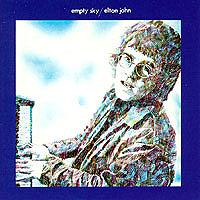
|
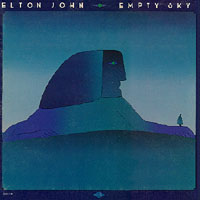
|
|
UK 1969
|
USA 1975
|
principali edizioni su vinile
?
|
?
|
WORLD RECORDS
|
ORC 6049
|
|
| 1972 |
Australia |
DJM |
L 34074 |
gatefold - copertina di Folon |
1972
|
Australia
|
DJM
|
L 34074
|
gatefold - copertina di Folon - label differente
|
| 1975 |
Brasile |
YOUNG |
304.1049
|
copertina differente |
| 1975 |
Canada |
MCA |
MCA-2130 |
gatefold - copertina di Folon |
?
|
Canada
|
MCA
|
MCA-620
|
gatefold - copertina di Folon
|
| 1969 |
Francia |
DJM |
DJLPS 403 |
gatefold - copertina made in UK |
| 1969 |
Germania |
DJM/HANSA |
87 825 IT |
gatefold |
1969
|
Germania |
DJM/HANSA |
85 537 IT |
gatefold |
?
|
Germania
|
DJM/HANSA
|
80 807
|
|
1969
|
Israele
|
HATAKLIT-HAIFA
|
DD30892
|
|
| 1972 |
Italia |
DJM/RICORDI |
SNIR DJ 25034 |
gatefold |
| ? |
Giappone |
DJM |
FP-80051 |
gatefold - copertina di Folon |
| 1972 |
Giappone |
DJM |
K22P-201 |
gatefold - copertina di Folon |
1975
|
Giappone
|
DJM
|
IFS 80174
|
gatefold - copertina di Folon |
?
|
Giappone
|
DJM
|
25AP-155
|
copertina di Folon |
1969
|
Giappone
|
DJM
|
FP 80133 |
red vinyl
|
| ? |
Filippine |
DJM |
DJLPS 403 |
|
1969
|
Nuova Zelanda
|
DJM
|
SDJL-934074
|
|
1972
|
Nuova Zelanda
|
DJM
|
L 30474
|
gatefold - copertina di Folon
|
1976
|
Olanda
|
DJM
|
DJF20403
|
gatefold (sulla copertina, made in UK, DJLPS 403)
|
1980
|
Portogallo
|
DJM
|
MM 8021
|
ristampa
|
1970
|
Spagna
|
DJM
|
J 062-92.110 |
|
| 1977 |
Spagna |
Epic |
EPC 32454 |
|
| 1977 |
Spagna |
DJM |
DJL-7005 |
gatefold |
1986
|
Spagna
|
DJM
|
826 938-1 |
ristampa
|
1969
|
Sud Africa
|
DJM
|
DJC 3013
|
|
?
|
Sud Africa
|
DJM
|
22087
|
|
| ? |
Taiwan |
GIANT |
TD 1369 |
|
| 1969 |
UK |
DJM |
DJLP 403 |
gatefold - primissima edizione mono |
| 1969 |
UK |
DJM |
DJLP 403 |
gatefold - copertina con sigla mono, ma disco in stereo |
| 1969 |
UK |
DJM |
DJLPS 403 |
gatefold - versione stereo |
1969
|
UK
|
DJM
|
DJLPS 403
|
gatefold - stereo - rosso in controluce
|
| 1976 |
UK |
DJM |
DJF 20403 |
gatefold - ristampa |
?
|
UK
|
DJM
|
DJM 22086
|
ristampa
|
| 1975 |
USA |
MCA |
MCA-2130 |
gatefold - copertina di Folon |
1980
|
USA
|
MCA
|
607 W2
|
promo
|
1980
|
USA
|
MCA
|
37067
|
ristampa
|
| 1977 |
USA |
MCA |
MCA-620 |
ristampa - copertina di Folon |
?
|
Venezuela
|
PROMUS
|
LPPS-2097
|
copertina di Folon
|
1)
Empty
Sky
2)
Valhalla
3)
Western
Ford Gateway
4)
Hymn
2000
5)
Lady
What's Tomorrow
6)
Sails
7)
The
Scaffold
8)
Skyline
Pigeon
9)
Gulliver/Hay-Chewed
*
*
strumentale
'Empty
Sky' fu il primo LP di Elton John, e fu originariamente distribuito nel
Regno Unito nel giugno del 1969. Le nove canzoni sull'album originale
più le quattro tracce bonus incluse in questa ristampa
rimasterizzata furono prodotte da Steve Brown e registrate tra dicembre
del 1968 e aprile del 1969 agli Dick James Studios
nella New Oxford Street di Londra, a parte una delle
tracce bonus, 'It's Me That You Need', che fu registrata agli
Olympic Studios nel Barnes (Londra sud - ovest).
Il primo brano di quest'album
ad essere distribuito fu 'Lady Samantha', che apparì nel
gennaio del 1969, con etichetta Philips e 'All Across The Havens' come
sua retro.
Non era il primo
singolo nel quale Elton facesse apparizione, ma fu il
primo che attrasse attenzione e fu spesso trasmesso in radio. Un
precedente singolo era stato distribuito nel marzo del 1968,
ma sebbene Bernie Taupin sia accreditato come co - autore di
'I've Been Loving You', esso fu a dire il vero solamente lavoro di
Elton. Quest'ultimo fece ancora prima apparizione in
tre sfortunati singoli come tastierista dei 'Bluesology', il gruppo
R&B con il quale suonò nella
metà degli anni '60. Elton scrisse anche le canzoni sul
lato - A dei primi due dei tre singoli, ma sotto il suo vero
nome di Reg Dwight; il nome, più familiare, di
'Elton John' é derivato dai nomi di due dei suoi colleghi
Bluesology, il sassofonista Elton Dean, che più tardi
divenne membro dei 'Soft Machine', e il cantante 'Long' John
Baldry.
Durante il 1967, Elton
iniziò a collaborare con Bernie Taupin, un giovane paroliere
del Lincolnshire, e dopo una serie di fortunati eventi,
iniziò usando il piccolo studio di registrazione dentro gli
uffici della Dick JamesMusic, la compagnia
editrice musicale che tra i propri clienti annoverava persino
i Beatles. Caleb Quaye, che Elton aveva incontrato quando lavoravano
insieme come fattorini per le compagnie editrici rivali,
stava continuamente nello studio della DJM, e produsse il
primo sfortunato singolo solistico di Elton (suonerà anche
la chitarra nei suoi primi tre album).
Nonostante la mancanza di un
successo in classifica, un promotore chiamato Steve Brown, che
era recentemente entrato a far parte della DJM,
fu così impressionato dalla promessa che
scoprì nelle canzoni di Elton e Bernie Taupin da coltivare
uno speciale interesse in loro, e quando sentì il materiale
che avevano scritto preferì dare loro
istruzioni affinché proseguissero la propria
direzione piuttosto che scrivere loro di provvedere, che era
ciò che la Dick James aveva detto loro di fare.
Le prime canzoni che furono
registrate dopo queste nuove istruzioni furono 'Lady Samantha' e 'All
Across The Havens', che furono prodotte da Steve Brown. Anche se 'Lady
Samantha' non era una hit da classifica, fu trasmessa in radio
abbastanza regolarmente per qualificarla come una 'turntable
hit', e condusse il duo John/Taupin a scrivere una canzone per
Lulu oer esibirsi in televisione in uno show per decidere quale di sei
canzoni di vari autori avrebbe potuto rappresentare la Gran Bretagna
nel 1969 Eurovision Contest. Forse fortunatamente, la loro canzone,
'I Can't Go On Living Without You', non fu scelta dagli
spettatori come la 'Canzone dell'Europa' britannica,
e intanto Steve Brown era di nuovo in studio con Elton,
registrando le canzoni che poi saranno incluse nell'LP di 'Empty Sky'
quando fu distribuito quell'estate.
Gli otto minuti e
più della 'title track' richiamavano ai giorni di Elton con
i Bluesology, un pezzo di R&B con l'armonicista Graham
Vickery (alias Shakey Vick) come figura di spicco, mentre 'Val
- Hala' unisce il testo mitologico di Taupin con il clavicembalo
suonato da Elton. 'Western Ford Gateway' vede in anteprima
la grande vocazione di Taupin nei
primi anni (specialmente nell'LP di Tumbleweed Connection),
evocando l'immagine di un'America che lui doveva
ancora toccare con mano, mentre 'Hymn 2000' sembra avere un
testo enigmatico, con la sua frase 'collecting submarine numbers on the
main street of the sea', e mette in evidenza un musicista
libero professionista, Don Fay, flautista. La maggior parte degli altri
musicisti dell'album erano amici o conoscenti di Elton e/o Steve Brown,
come Caleb Quaye alla chitarra e alle percussioni, o il
batterista Roger Pope, che era collega di Quaye negli 'Hookfoot',
un gruppo leagto alla DJM (e avrebbe lavorato ancora con Elton
a metà degli anni '70, come fece Caleb Quaye). Il bassista
Tony Murray aveva lavorato con i 'Troggs', un
altro gruppo con legami con la DJM, e in 'Lady, What's
Tomorrow?', il batterista é Nigel Olsson, al tempo al lavoro
con gli 'Spencer Davis Group'. Olson avrebbe fatto
parte della prima touring band di Elton l'anno seguente, insieme al
bassista Dee Murray, anch'egli degli 'Spencer Davis Group'.
La straordinaria traccia di
'Empty Sky' era largamente riconosciuta essere 'Skyline Pigeon', con
Elton che suona ancora il clavicembalo (la canzone fu anche registrata
da Roger Cook e da Guy Darrell, un altro artista della DJM, la quale
versione, come la 'Lady Samantha' di Elton, fu una 'turntable hit'. Lo
stesso Elton ri - registrò 'Skyline Pigeon' durante le
session di 'Don't Shoot Me I'm Only The Piano Player',
stavolta suonando il piano al posto del clavicembalo; essa fu
registrata come la retro di 'Daniel', una delle maggiori hits
internazionali di Elton, del 1973). Prima ancora che l'album
'Empty Sky' apparisse, un altro singolo, 'It's Me That You Need' / '
Just Like Strange Rain', fu distribuito, ma non ebbe più
successo di 'Lady Samantha' in termini di classifica
(queste tracce furono registrate durante lo stesso periodo del resto
dell'LP, ma furono omesse da esso). L'album 'Empty Sky' non raggiunse
la classifica degli album di 'Billboard' negli U.S.A. fino al 1975,
quando Elton era una affermata
superstar, benché non é mai diventato un
album da hits in Gran Bretagna. La traccia finale dell'album
é uno straordinario miscuglio tra la canzone 'Gulliver', uno
strumentale jazzistico chiamato 'Hay Chewed' (apparentemente un gioco
di parole della familiare 'Hey Jude', una delle più grandi
hits dei Beatles, sebbene avesse poche armonie rassomiglianti a
quest'ultima) e 'Reprise', la quale include piccoli pezzi di ognuna
delle precedenti canzoni dell'album.
Questa fu una
avventurosa e innovativa conclusione di un album debuttante di un
artista veramente promettente che era anche la metà
musicale di un potenziale e più importante duo compositore,
sebbene al tempo Elton e Bernie erano di fatto sconosciuti al
grande pubblico. Il cantare e il suonare di Elton non può
essere significativamente biasimato, anche se egli ha successivamente
chiamato l'album 'naive (semplice)'. Comunque, ha anche detto
'making the 'Empty Sky' album still holds the nicest memories for me,
because it was first, I suppose.We used to walk back from the sessions
at about four in the morning and stay at the Salvation Army
headquarters in Oxford Street. Steve Brown's dad used to run the
place and he used to live above it'.
Indubbiamente, Elton e Bernie
erano felici con il loro primo LP
e John successivamente ricordò: 'It's
difficult to explain the amazament we felt as the album began
to take shape. But I remember when we finished work on the title track
- it just floored me, I thought it was the best thing I'd ever
heard in my life'. Era certamente l'inizio di
una incomparabile carriera di successo che mostra un piccolo
segno di stanchezza 25 anni dopo.
John Tobler, 1995
(dalla versione rimasterizzata)
traduzione
di Pierluca Turnone
|
The
year is 1969 and while an unsuspecting world is soon to witness the
sunset
of the Beatles, followed by the losses of Jimi Hendrix, Jim Morrison
and
Janis Joplin, good things are about to happen in the world of rock and
roll. In the studios of Dick James during December 1968 and the spring
of 1969, Elton John and his songwriting "brother" Bernie Taupin were
hard
at work on the tracks that would comprise the very first Elton John
album,
"Empty Sky". This album and its related singles were not Elton's first
recordings. Coming off of his tenure with Bluesology, Elton had already
been on three of the band's singles between 1967 and 1968. Produced by
Steve Brown, originally on staff with DJM (later to go on to work for
Elton
as his project coordinator), "Empty Sky" ironically had no singles
generated
from the nine tracks on the original album, but the sessions for it
produced
two 45's that came out prior to the LP. The first was "Lady Samantha"
with
"All Across The Havens" as its' b-side. A solid single, it was Elton's
first "turntable hit" - a designation for a single that didn't sell
well,
but got lots of airplay. Released in January, 1969, it no doubt came
out
of the December recording sessions and got enough notice to be covered
by Three Dog Night the following year. Later in the Spring came the
issue
of yet another single, "It's Me That You Need" and its flipside, "Just
Like Strange Rain". This single (the only track from the sessions
recorded
at Olympic Studios) is interesting since it features the first use of
strings
and horns on an Elton record, though who did the arrangement is unknown
and currently under investigation. All four of these are included as
bonus
tracks on Rocket's remastered issue of "Empty Sky", which we'll look
into
forthwith. Remastered by Gus Dudgeon from the original mix masters,
"Empty
Sky was part of the first group of discs released under the "Classic
Years"
banner, and if you're starting in chronological order, then this album
is a good showcase for the pluses and minuses of both the audio and the
packaging. Before we get to that, let's look at some of the featured
highlights.
First off, "Empty Sky" is not unlike Billy Joel's "Cold Spring
Harbor"...
not a brilliant album but the signs of brilliance to come are all
around.
Joel's album featured "She's Got A Way", the first of his ballads that
embodied his burgeoning songwriting ability. And so perhaps the piece
de
resistance of "Empty Sky" is Elton and Bernie's stunningly beautiful
"Skyline
Pigeon" that showcases their growing mastery of the genre. But that's
not
all... the title track could well be the best Rolling Stones track the
band never wrote, an obvious tip of the hat to one of Elton's favorite
bands. Following that are an interesting assortment of tracks ranging
from
the metaphysical lyrics of "Valhalla", to the pop confection of "Lady,
What's Tomorrow?", to the blues-rock flavored "Sails" (with a
spectacular
guitar lead by Caleb Quaye) and the qwirky, ambitious and slightly
bizzare
"Gulliver/Hay Chewed/Reprise" medley, complete with its jazz
improvisational
break intercut between the dark dirge about the recollection of the
death
of beloved dog. The "Reprise" part of the track is an odd mixture of
"Gulliver"
and snippets of all the tracks before it all cross-faded until coming
to
a screeching halt at the end of the last bars of "Gulliver". In all
fairness,
while much of the songwriting, but later standards is pretty average,
considering
when it was done, it more than shows off the promise of the future to
follow.
Elton's melodies, while slightly pedestrian at times, go hand in hand
with
Bernie's now -and-then pretentious and abstract lyrics. When they work,
however, they are pretty effective and any shortcomings can be written
off to youth. Bottom line: the songs on "Empty Sky" were good practice
and by the time they sat down to work on the follow-up, the improvement
was dramatic. Technically, "Empty Sky" has had the best remastering
(esp.
Gus's) can offer it. It's new CD version features better bottom end,
improved
clarity and less noise than previous discs, though some of the inherent
shortcomings in the original production are still (and probably forever
more) part of the recordings. Even the bonus tracks sound generally as
if they were meant to be part of the collection and with the exception
of "It's Me That You Need", which is only a stand-out because of its
additional
instrumentation. MOST of the CD artwork is reproduced and John Tobler's
notes are typically enlightening and interesting, if in need of a bit
of
editing. What is missing is the original back cover artwork featuring
the
two reviews that were part of the sleeve design. Also, there are no
specific
credits relating to the bonus tracks. Some description about them is
made
here and there in Tobler's liner notes, but one is more or less left to
assume certain things about them, which is fine, but if you're going to
the trouble to assemble a remaster and include the tracks, spend a
little
extra time and annotate them better. Even though it's his first solo
effort,
there are some impressive and historically notable things in evidence
on
"Empty Sky". There's the first appearance of Nigel Olsson on "Lady,
What's
Tomorrow?" and some brilliant guitars by Caleb Quaye, who would do some
superlative work on several Elton recordings in the future. Bass player
Tony Murray also turns in stellar work, as does Roger Pope. There are
some
great guest bits turned in by Graham Vickery on sax and harmonica and
Don
Fay on flute. Elton himself plays multiple keyboards including piano,
electric
piano, organ and harpsichord. He even double tracks his voice well,
though
it's plainly obvious how untrained it is at this point. And as if that
weren't enough, Clive Franks makes his first appearance as Tape
Operator
and provides whistles on "Hymn 2000"! Not bad for a relatively obscure
record by one of rock's legendary royals! "Empty Sky" in spite of its
title
isn't really EMPTY. It's actually full of very listenable songs done by
a young singer full of youthful energy, partnered with a gifted lyric
writer,
written and performed with on a tiny budget to be sure but with enough
tender loving care that it makes the final product rise above its
technical
limitations.
Andy Geisel - 22nd Row 2003
|
|
da
All Music Guide
Although
he had made a number of re-recordings of popular songs for a
budget record label in the late '60s, Empty Sky was the first true solo
album Elton
John recorded
after leaving Bluesology; it also marked the beginning of his long and
fruitful collaboration with lyricist Bernie
Taupin. Empty
Sky is quite indicative of the post-Sgt.
Pepper era.
With its ambitious arrangements and lyrics, it's clear that John and Taupin intended the album to be a
major statement. Though it shows some signs of John's
R&B roots, most of the album alternates between vaguely
psychedelic
rock and burgeoning pop songcraft, capped off by a bizarre reprise of
brief moments of all of the songs on the record.
There aren't any forgotten gems on Empty Sky, but it does suggest John's
potential. [The CD reissue includes the bonus tracks "Lady Samantha,"
"All Across the Havens," "It's Me That You Need," and "Just Like
Strange Rain."]
Stephen Thomas Erlewine
|
| anno/label |
1969 - DJM in UK, 1975 MCA
in USA |
| produzione |
Steve
Brown |
| arrangiamenti |
|
| studio |
Dick James The Studios |
| musicisti |
Caleb
Quaye: chitarre, conga drums; Tony Murray: basso; Don Fay:
sassofono,
flauto; Graham Vickery: armonica; Nigel
Olsson
: batteria (in Lady, What's Tomorrow); Elton: piano, organo, piano
elettrico
e clavicembalo |
| Note |
realizzato con un budget
molto basso, internamente alla Dick James Music; abbastanza grezzo, un
po' scopiazzato, ma Elton fa già vedere di cosa è
capace,
buon esordio. |
|
