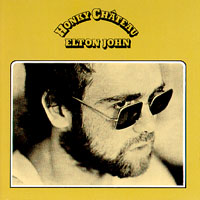
Elton John - Honky Chateau (1972)
Honky Chateau
rappresenta per Elton
John una svolta verso un pop rock più "commerciale", inteso nel
senso benevolo del termine, cioè con l'abbandono dei sontuosi
arrangiamenti orchestrali di Paul Buckmaster che avevano caratterizzato
i suoi album precedenti. Anche le canzoni sono più pop e
il suo successo mondiale si consolida e si espande ovunque.
Registrato negli studi di registrazione del castello francese di
Hierouville, è'
anche il primo disco dove viene utilizzata anche in studio la Elton
John Band e non più quotati session men, come era accaduto
precedentemente, affiancati da un quartetto di fiati e dal grande
violinista elettrico Jan Luc Ponty. E contiene uno dei suoi hit
più famosi in assoluti, Rocket Man, che lo avrebbe
definitivamente lanciato come l'artista di maggior successo mondiale
degli anni '70.
1)
Honky
Cat
2)
Mellow
3)
I
Think I'm Going To Kill Myself
4)
Suzie
(Dramas)
5)
Rocket
Man (I Think It's Going To Be A Long Long Time)
6)
Salvation
7)
Slave
8)
Amy
9)
Mona
Lisas And Mad Hatters
10)
Hercules
Negli anni 90 è stata pubblicata una versione rimasterizzata del CD con una bonus track:
11) Slave (versione alternativa)
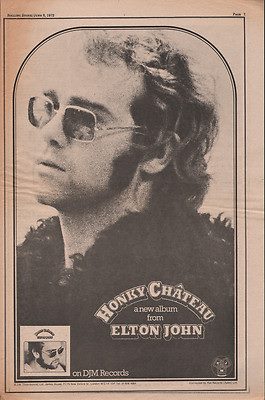
Dopo la frenetica attività del 1971 (in quell'anno
Elton aveva distribuito negli Stati Uniti quattro nuovi LP, due album studio,
'Tubleweed Connection' e 'Madman Across The Water', il live '11 - 17 - 70' e la
colonna sonora 'Friends'), giunse finalmente un attimo di respiro, prima di
'Honky Chateau', distribuito nel maggio del 1972. Fu il suo primo LP a
raggiungere il primo posto nella classifica statunitense, rimanendo davanti
a tutti per cinque settimane durante l'estate di quell'anno; fu inoltre il suo
primo LP a rimanere nella Top 200 della classifica degli album
'Billboard' per ben oltre un anno. Nel Regno Unito, fu il suo primo LP a
raggiungere la Top 3, e il fatto straordinario non era solo che
'Rocket Man' fosse il suo primo singolo nella Top 3, ma anche l'essere il primo
album ad includere più di un singolo da hit - il secondo nella classifica
45 del Regno Unito, che arrivò appena oltre la Top 30, fu 'Honky Cat'.
Negli Stati Uniti, sia 'Rocket Man' che 'Honky Cat' raggiunsero la Top 10.
'Honky Chateau' era degno di nota anche perché era il primo album
studio di Elton registrato lontano da Londra (nonostante l'LP live fosse
stato registrato a New York). La storia andò così: Elton era stato molto
consigliato sul fatto che sarebbero derivati vantaggi
considerevoli dal registrare all'estero; ed egli, mentre più
recentemente si sarebbe piantato in Gran Bretagna e avrebbe ignorato
simili consigli finanziari, nel primo 1972, comprensibilmente, sentì meno lealtà
verso il proprio paese, dov'era meramente un contendente, rispetto agli Stati
Uniti, dove era già un avvenimento sensazionale e la sua popolarità ancora
in aumento. I Rolling Stones spesero un anno come esuli in Francia nel 1971/2, e
avevano annunciato che il loro prossimo album sarebbe stato registrato lì,
usando un 'mobile studio'. Se andava bene per gli Stones (un gruppo che
Elton aveva ammirato per molti anni), sarebbe stato buono anche per lui.
Comunque, non era disponibile un adeguato 'mobile studio' quando Elton fu pronto
per registrare, e all'epoca furono prese in considerazione altre proposte -
finché Gus Dudgeon non salvò la situazione disperata proponendo la registrazione
in uno studio tradizionale che era stato usato dai Grateful Dead, gestito in
un autentico castello vecchio di 300 anni. Lo Chateau
D'Hierouville sarebbe stato un'alternativa vitale (purché l'equipaggiamento per
la registrazione fosse stato tecnicamente accettabile); a poca distanza da
Parigi, ma con delle comodità nascoste, cosicché tutti avevano preso
in considerazione, con la registrazione, la possibilità di vivere lì: lavorando
tutto il giorno e la notte se necessario, perché avrebbero potuto
godere come relax degli svaghi ricreativi del posto (una piscina
privata e un campo da tennis). Il catering era molto stimato, e il castello
aveva un proprio vigneto; per tali vantaggi, la radicale e avventurosa
proposta di Dudgeon fu accettata. Il titolo definitivo dell'LP, 'Honky Chateau',
si riferiva agli Strawberry Studios (come era conosciuto), e fu dedicato a
Catherine Philippe - Gerard, la direttrice del castello - 'honky',
casualmente, era al tempo una parola di moda, con diverse sfumature di
significato...
L'album coinvolgeva sostanzialmente solo il
quartetto formato da Elton (voce e pianoforte acustico ed elettrico), Dee Murray
(basso), Nigel Olsson (batteria) e Davey Johnstone (chitarra, mandolino e
banjo). I pochi musicisti supplementari includevano una sezione di fiati
composta da musicisti francesi poco conosciuti in circoli musicali tradizionali;
la nota star jazz del violino, Jean - Luc Ponty (anch'egli francese,
lavorò con Frank Zappa); 'Legs' Lary Smith (batterista dell'eccentrica
Bonzo Dog Doo - Dah Band, che contribuì al tip tap piuttosto che alla
batteria nella incredibilmente serena 'I Think I'm Going To Kill Myself');
David Hentschel, i rumori del sintetizzatore del quale sono
un indimenticabile aspetto di 'Rocket Man', la traccia per la quale
l'album é probaiblmente più conosciuto; il pressocché immancabile Ray Cooper
(alle percussioni), e un ugualmente immancabile team di vocalist di
sottofondo, l'ultimo a contribuire al sound vocale neo - gospel di 'Salvation',
un brano nella vena di Delaney & Bonnie o del colossale progetto di Joe
Cocker 'Mad Dogs & Englishmen'. 'Honky Cat', un simpatico gioco di parole
sul titolo dell'album, é una vivace apertura di cinque minuti, con la
sua intro pianisitica e orientale, la sezione di corni R&B
(arrangiata da Gus Dudgeon) e Johnstone al banjo, mentre
'Mellow' é abbastanza simile ad una composizione di Leon Russel, con
il lamento del violino elettrico di Ponty. 'I Think I'm Going To Kill Myself'
richiama alla mente i classici ironici dei tardi anni '60 dei Kinks (a
parte il suo arrangiamento inaspettatamente vivace), e 'Susie (Dramas)',
con il suo coro immensamente contagioso, vanta un assolo psichedelico di
chitarra di Johnstone. Arriva quindi 'Rocket Man', con il pittoresco
distico 'Mars ain't no place to raise your kids, in fact it's cold as hell', e
quegli attacchi del sintetizzatore. Era giustamente una grande hit, e le sue
possibilità potevano solo essere state accresciute dal fatto che lì
era avvenuto un recente lancio spaziale. Cosa più importante, fu il
secondo singolo da hit di Elton in Gran Bretagna, dove nessuno dei suoi
ultimi quattro LP aveva prodotto una hit nella classifica 45, anche se era
la sua sesta nella classifica statunitense, e rimane subito
riconoscibile come una dei suoi classici più familiari. 'Slave' é quasi
epica, con il rigo finale di ogni verso ripetuto
d'atmosfera all'infinito, e sembra essere un cenno stilisticamente
raffinato alla Band (che aveva tanto accompagnato Bob Dylan quanto
distribuito imponenti album nel suo diritto, ed era tra i gruppi preferiti
di Elton e Bernie Taupin), con la chitarra di Davey Johnstone e il banjo a
rafforzare la somiglianza, mentre 'Amy', nella quale é ancora messo in evidenza
Jean - Luc Ponty, possiede lo stile di Leon Russel al suo massimo. La
menzione di altri artisti non indica plagio: l'uso dei sound divenuti
marchi di fabbrica altrui é senza dubbio un semplice tributo piuttosto
che una mera copia, ed Elton era già una star molto più affermata
commercialmente parlando dei Kinks o della Band, o anche di Leon Russel.
Una traccia che é stata vivamente ricordata é 'Mona Lisas And Mad Hatters' (così
ingegnosamente chiamata), senza la batteria e con Davey Johnstone al mandolino.
Questa riflessione forte e realisticamente schietta delle sensazioni di
Bernie Taupin a proposito di New York provoca il canticchiare della gente
quando Elton la esegue in concerto. Per contrasto, i risuonanti cori della
parte finale di 'Hercules' mettono in evidenza tanto i passaggi doo - wop
degli anni '50 quanto le armonie dei Beach Boys dei tardi anni '60, e alcuni
potrebbero rimanere divertiti venendo a sapere che la canzone parla di un
rinoceronte con quel nome. La residenza di campagna di Elton nella Virginia
Water fu anche chiamata 'Hercules', e quando R. K. Dwight cambiò il suo nome
con atto unilaterale nel dicembre del 1971, divenne Elton Hercules John...
'Honky Chateau' fu una rilascio significativo per Elton. Fu registrato
durante il mese di gennaio del 1972, e fu il primo di tre album registrati al
castello, ognuno dei quali raggiunse la sommità delle classifiche statunitensi.
Sembra che siano state fatte pochissime cover degne di nota delle
canzoni dell'album, con l'ovvia eccezione di 'Rocket Man', il contributo di Kate
Bush al tribute album di star celebrante le canzoni di Elton & Bernie,
'Two Rooms', del 1991. Per una volta, durante le session
furono intraprese poche registrazioni aggiuntive poi omesse
dall'LP, ma quella qui inclusa come traccia bonus é una versione alternativa di
'Slave', a proposito della quale Bernie ricordò: "That version was
ridiculously fast. We were all thinking it was too fast, and we were just going
to can it. Then, somebody came up with the concept of doing it totally the
opposite way - very slow. Which works because it makes much more sense, it makes
it that sort of southern, laconic, steamy kind of thing".
Indubbiamente una pietra miliare, questo fu il
primo album di Elton a conseguire la definitiva stabilizzazione nella
musica popolare, con la pole position nella classifica
'Billboard'.
John Tobler, 1995 (dalla versione
rimasterizzata)
traduzione di Pierluca Turnone (2008)
|
classifiche:
Stati Uniti:
1° posto
Inghilterra:
2° posto
Italia:
5° posto
Trading his blue suede
shoes and Disney dwarf outfit for a soft piano style, Elton John is off
and running with Honky Chateau, a lopsided structure of tepid rock
numbers
and muzak ballads. There are several outstanding residents in John's
Chateau,
but without a doubt, the star boarder is "Rocketman," a stunning tale
of
space travel that soars to the ranks of an Elton John Classic. (Could
be
his best song yet.) Aiding John in his housekeeping are David Henchel
(whose
ARP sythesizer gives "Rocketman" his thrust) and Zappa graduate,
violinist
Jean-Luc Ponty.
Ed Naha, Circus, 1972
|
A new Elton John album
is just as much fun to review as it is to listen to, principally
because
it's completely different from what has gone before. The immediate
benefits
of having Nigel and Dee as the rhythmic section on every cut are just
staggering
because this is really the first time they've had a chance on record to
show how inventive they are. They are a pair of musicians who are
constantly
improving, searching for better ways to communicate with each other. As
for Davey Johnstone, his versatility on all stringed instruments is
just
what the band needed. Both his immediate intuitive grasp of the
John/Taupin
music, and his commitment to it, marks a terrific upward surge in
creativity
for the band; his musicianship has inspired them all.
Sheer
power reigns on "Salvation"
and "Hercules," but on different levels. The former is very intense
lyrically,
and so Elton's vocals and the band's performance are suffused with an
almost
quasi-religious fervor: "A chance to put the devil down/Without the
fear
of hell/Salvation spreads the gospel 'round/And frees you from
yourself."
On "Hercules" we hear the band flat out, hitting superb peaks behind
Elton's
vocals and Bernie's most amusing lyrics. "I Think I'm Gonna Kill
Myself"
is a tour de force for both Elton and Bernie. The lyrics are about a
kid
who decides to commit suicide but also wants to hang around to see what
people say about him: "I'd like to see what the papers say/On the state
of teenage blues." It encapsulates, within its five verses and two
choruses,
a whole generation's feelings. "Susie (Dramas)"'s power shows how fully
integrated the band has become in so short a time; now fully capable of
that funky rock they've been searching for. But more, "Susie" shows how
far Elton, himself, has developed as a writer. The melodies of the
majority
of songs being written today can easily be reproduced by instruments --
horns for instance. What Elton has learned to do is construct his
melodies
specifically for the peculiar phrasings of the human voice. It's a
difficult
thing to do and requires a great deal of sophistication. Honky Chateau,
as a whole, presents us with deeper ramifications than mere track
analyses
can encompass. It displays the band as an organic whole -- "Slave," for
instance, revolves around Dee's bass and Davey's superlative
double-timed
banjo. It displays some of Bernie's most thoughtful lyrics -- "Rocket
Man"
is as complex a blending of sci-fi with our own frightening present
("And
all this science/I don't understand/It's just my job/Five days a week/A
Rocket Man") as was Clarke/Kubrick's 2001. "Mellow" is one of the most
unusual love songs ever written, with an erotic, wonderfully wistful
pulse
running through it. It displays, lastly, Elton's growing ability to
work
with his voice; do different things with it. His vocal on "Kill Myself"
is light, mischievously arrogant, and deliciously self-mocking; on
"Susie,"
his voice is thick and vibrant -- terrifically virile -- which is in
sharp
contrast to "Rocket Man," where he's infinitely sad -- almost detached.
All this represents a continuing development in the major artists
writing,
playing and singing on Honky Chateau. And for that, we should be most
grateful.
Eric Van Lustbader, Words
& Music, 1972
|
da All
Music Guide
Considerably lighter than Madman Across the Water, Honky Chateau is a
rollicking collection of ballads, rockers, blues, country-rock, and
soul songs. On paper, it reads like an eclectic mess, but it plays as
the most focused and accomplished set of songs Elton John and Bernie Taupin
ever wrote. The skittering boogie of "Honky Cat" and the light
psychedelic pop of "Rocket Man" helped send Honky Chateau to the top of
the charts, but what is truly impressive about the album is the depth
of its material. From the surprisingly cynical and nasty "I Think I'm
Gonna Kill Myself" to the moving ballad "Mona Lisas and Mad Hatters," John is at the top of his form, crafting immaculate pop songs with memorable melodies and powerful hooks. While Taupin's lyrics aren't much more comprehensible than before, John
delivers them with skill and passion, making them feel more substantial
than they are. But what makes Honky Chateau a classic is the songcraft,
and the way John
ties disparate strands of roots music into distinctive and
idiosyncratic pop -- it's one of the finest collections of mainstream
singer/songwriter pop of the early '70s.
Stephen Thomas Erlewine
|
Elton John (1972): "For
a start there's no orchestra and there are rock'n'roll tracks which we've
never done before on albums. I don't want to say it's the best thing I've
ever done because that's what I said and felt about Madman but people didn't
agree. It's just that with this album no-one can say, 'Oh, it's Elton John
with his bloody 100 piece orchestra again.' There's one number on the album
called I Think I'm Going To Kill Myself which I think is going to have
tap dancing on it. A sort of vaudville number. I guarantee the numbers
on the album will get many covers because the songs are light pop."
| anno/label |
1972 - DJM in UK, MCA in
USA |
| produzione |
Gus
Dudgeon |
| arrangiamenti orchestrali |
----- |
| studio |
Strawberry Studios, Heroville,
Francia |
| musicisti |
Nigel
Olsson: batteria, percussioni, cori; Ray Cooper:
percussioni; Dee Murray:
basso, cori; Davey
Johnstone: chitarre, banjo, mandolino, cori; Dave Hentschel:
sintetizzatore;
Gus
Dudgeon: percussioni, cori; Jean Luc Ponty: violino
elettrico; Jacques
Bolognesi: trombone; Ivan Julien: tromba; Jean-Louis Chautemps, Alain
Hatot:
sassofoni; "Legs" Larry Smith: tap dance; Madeline Bell, Liza Strike,
Larry
Steel, Tony Hazzard: cori; Elton: piano, organo |
| note |
Abbandono degli arrangiamenti
orchestrali di Paul Buckmaster per un suono diverso, inizio della
virata
verso il pop, grande album. |
|
|